Understanding Metal Roofing
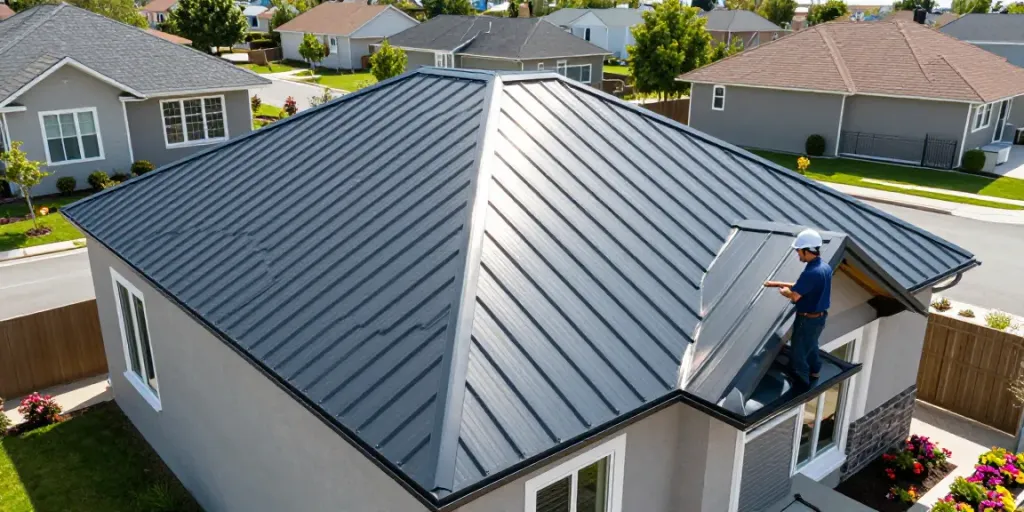
Metal roofing has gained immense popularity among homeowners in recent years, offering a durable and aesthetically pleasing alternative to traditional roofing materials. With advancements in technology and design, metal roofs have become a top choice for those looking to enhance their property while ensuring long-lasting protection. In this guide, we will delve into the specifics of MRoof, the various benefits it provides, and why it’s worth considering for your next roofing project.
What is MRoof and Its Benefits?
MRoof specializes in premium metal roofing solutions that are both functional and stylish. One of the standout benefits of MRoof is its impressive durability. Metal roofs are typically designed to withstand extreme weather conditions, including heavy rains, strong winds, and even hail. This resilience ensures that homeowners spend less on repairs and replacements over time.
- Longevity: Metal roofs can last anywhere from 40 to 70 years depending on the material used and the maintenance routine.
- Energy Efficiency: Metal roofing reflects solar radiant heat, which can reduce cooling costs by 10-25%.
- Environmentally Friendly: Many metal roofs are made from recycled materials and are fully recyclable at the end of their lifespan.
Types of Metal Roofing Materials
When it comes to metal roofing, there are several materials you can choose from, each with its own unique advantages:
- Steel: Often galvanized, steel is a popular choice for its strength and affordability. Galvalume steel offers enhanced corrosion resistance.
- Aluminum: Lightweight and resistant to rust, aluminum is ideal for coastal areas where corrosion is a concern.
- Copper: Known for its aesthetic appeal, copper develops a distinct patina over time and can last over 100 years.
- Zinc: Another premium option, zinc is highly durable and exhibits self-healing properties through patina formation.
Metal Roofing vs. Traditional Roofing
The choice between metal roofing and traditional roofing materials like asphalt shingles often boils down to factors such as durability, cost, and aesthetics. While asphalt shingles may initially appear cheaper, their lifespan is significantly shorter than that of metal roofs, leading to higher long-term costs. Moreover, metal roofs offer superior performance in terms of energy efficiency and weather resistance, making them a wiser investment for homeowners looking to maximize their property’s value.
Choosing the Right Metal Roof
Selecting the right metal roofing system requires careful consideration of several factors, which we will explore in this next section. Understanding your options can greatly enhance your overall satisfaction with the final product.
Factors to Consider When Selecting MRoof
Before finalizing your choice, consider the following factors:
- Climate: Assess the weather conditions in your area to determine the most appropriate roofing material.
- Home Style: Choose a style and color that complements your home's architectural design.
- Budget: While metal roofing can be a larger upfront investment, consider the long-term savings on repairs and energy costs.
Assessing Your Home’s Compatibility
Not all homes are suited for metal roofing. It’s important to assess the existing structure and ensure it can support the weight of a metal roof. Flat or low-slope roofs may require special consideration to ensure proper drainage and performance.
Cost Considerations and Budgeting
The cost of metal roofing can vary widely based on material, installation complexity, and local labor rates. On average, homeowners can expect to pay between $7 to $12 per square foot, which includes both materials and installation. While this may seem high compared to traditional roofing options, remember that metal roofs require less maintenance and can last significantly longer, providing a better return on investment over time.
Installation Process of MRoof
Proper installation is crucial for the performance and longevity of your metal roof. Choose between professional installation or a DIY approach, depending on your skill level and comfort with roofing projects.
Professional vs. DIY Installation
While undertaking a DIY installation can save money, metal roofing requires specific skills and tools. Hiring professional roofers ensures that the installation is compliant with local building codes and performed correctly, preventing future issues.
Step-by-Step Guide to Metal Roof Installation
For those opting for DIY, here’s a brief overview of the installation process:
- Preparation: Remove old roofing materials and ensure the deck is in good condition.
- Underlayment: Install a protective underlayment to help prevent leaks.
- Metal Panels: Begin laying metal panels starting from the bottom and work your way up to ensure proper water runoff.
- Flashing: Install flashing around chimneys and other roof projections to prevent leaks.
- Finishing Touches: Seal all joints and ensure proper ventilation to extend the roof's lifespan.
Safety Measures During Installation
Safety should be a top priority during installation. Use proper personal protective equipment (PPE), secure ladders, and adhere to safety guidelines to prevent common accidents associated with roofing projects.
Maintenance Tips for Metal Roofing
While metal roofs require less maintenance than traditional roofs, some upkeep is necessary to ensure their longevity.
Regular Inspections and Upkeep Practices
Perform regular inspections every year and after severe weather events. Look for signs of rust, loose screws, and any debris that may trap moisture against the roof. Cleaning gutters and downspouts regularly is also essential to maintaining proper drainage.
Common Issues and Solutions
Despite their durability, metal roofs can face issues such as:
- Rust: Treat any rust spots immediately to prevent them from spreading.
- Noise: Installing sound-dampening underlayment can help minimize noise during rain or hail.
- Expansion and Contraction: Ensure fasteners are not overly tightened, allowing for thermal movement without damage.
How to Extend the Lifespan of Your MRoof
To maximize the lifespan of your metal roofing, ensure proper installation, perform regular maintenance, and address any issues as they arise. Keeping the roof clean and ensuring adequate ventilation will also help to extend its life.
The Future of Metal Roofing
The metal roofing industry is evolving, with new trends and technologies emerging regularly. Staying informed can give you insights into what to expect in the coming years.
Emerging Trends in Metal Roofing for 2026
Homeowners are increasingly opting for metal roofs that offer unique aesthetics, such as textured finishes and a variety of colors. This trend allows for greater customization, enabling homeowners to match their roofs to their personal style and the home’s architecture.
Innovations in Material Technology
Innovations are focused on enhancing the performance and sustainability of metal roofing materials. For instance, advancements in coatings can improve energy efficiency and extend the lifespan of roofs by offering better resistance to corrosion and UV rays.
Environmental Impact and Sustainability Considerations
Metal roofing is inherently sustainable due to its recyclability. As the world shifts toward more eco-friendly practices, metal roofing can play a significant role in reducing the environmental impact of construction through its use of recycled materials and energy-efficient properties.
What are the Common Myths About Metal Roofing?
Several myths surround metal roofing, including the belief that they are excessively noisy during rainstorms, or that they attract lightning. In reality, metal roofs can be quieter than traditional roofs if installed with proper underlayment, and they do not increase the likelihood of lightning strikes.
How to Choose a Reliable Metal Roofing Contractor?
Selecting a trustworthy contractor is crucial to the success of your metal roofing project. Be sure to check for proper licensing, insurance, and customer reviews. Obtaining multiple quotes and asking about warranty options can also help ensure a satisfactory experience.
What Maintenance is Required for Metal Roofs?
Essential maintenance for metal roofs includes regular inspections, cleaning debris from the roof surface and gutters, and addressing any rust spots. Consistent upkeep can prevent minor issues from developing into more significant problems.
Can Metal Roofing Be Installed Over Existing Roofs?
In many cases, metal roofing can be installed over existing roofing materials. This can save on labor and disposal costs, but it’s crucial to assess the condition of the underlying roof to ensure it can adequately support the new material.
What Colors are Available for Metal Roofing?
Metal roofs come in a wide spectrum of colors, allowing homeowners to choose options that match their aesthetic preferences. Many manufacturers also offer custom color matching for a more personalized look.
How Does Metal Roofing Affect Home Insurance?
Metal roofs can lead to lower home insurance premiums due to their durability and resistance to natural disasters. This can be a significant financial advantage for homeowners looking to secure their investment.