Introduction to Standing Seam Metal Roofing
In the ever-evolving world of architectural and construction trends, roofing plays a pivotal role in not only protecting structures but also enhancing their overall aesthetic appeal. One such roofing solution that has gained immense popularity in recent years is Standing Seam Metal roofing. Renowned for its durability, energy efficiency, and sleek appearance, standing seam metal roofing is becoming a top choice for both residential and commercial properties. This article dives deep into the structure, benefits, applications, and future trends of standing seam metal roofing, providing valuable insights for homeowners, builders, and architects alike. When exploring options, Standing Seam Metal offers comprehensive solutions tailored to your needs.
What is Standing Seam Metal Roofing?
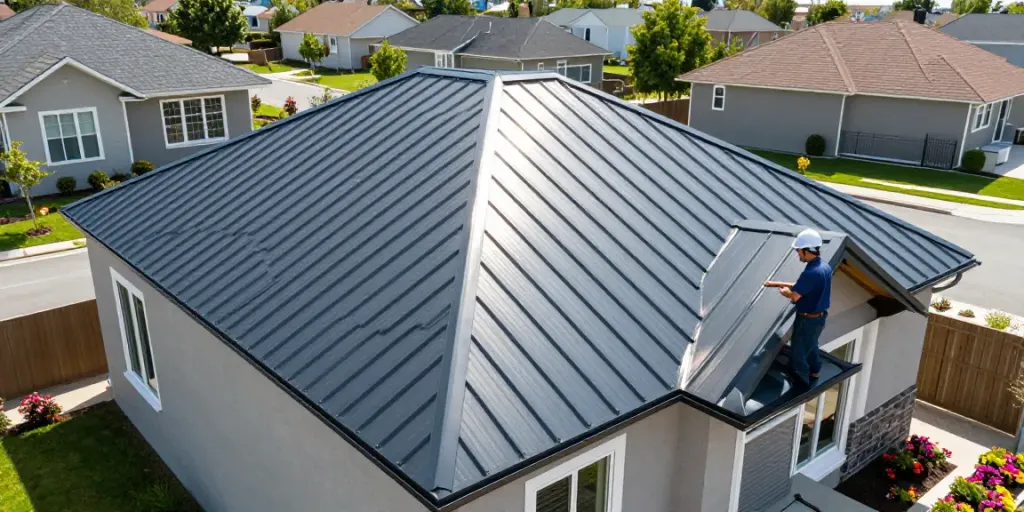
Standing seam metal roofing is a type of metal roofing system characterized by vertical panels with raised seams that interlock to provide a watertight seal. The seams are typically raised above the level of the panel, giving the roof a distinct appearance. This design minimizes the number of penetrations through the roof, which are often points of vulnerability in traditional roofing systems. Standing seam panels can be made from various metals, including steel, aluminum, and copper, allowing for a range of styles and finishes that can meet aesthetic preferences and functional requirements.
How Does Standing Seam Metal Differ from Other Roofing Types?
Unlike traditional roofing options such as shingles or tiles, standing seam metal roofing systems feature concealed fasteners, which means that the fasteners are not exposed to the elements. This design reduces the risk of leaks and deterioration over time, making standing seam metal roofs more durable. Furthermore, while traditional roofs may require frequent repairs or replacements, standing seam metal roofs generally offer longer life spans, often lasting 50 years or more with minimal maintenance.
Common Applications and Benefits of Standing Seam Metal
Standing seam metal roofing is versatile and can be used in various applications, including residential homes, commercial buildings, and industrial facilities. Some of the key benefits include:
- Durability: Standing seam metal roofs can withstand extreme weather conditions, including heavy rain, strong winds, and hail.
- Low Maintenance: These roofs require less maintenance compared to other roofing types due to their durability and design.
- Energy Efficiency: Metal roofs can reflect solar radiant heat, which helps keep the building cooler and reduces energy bills.
- Aesthetic Appeal: Available in various colors and finishes, standing seam metal roofs can complement almost any architectural style.
- Environmental Friendliness: Metal roofing is often made from recycled materials and is 100% recyclable at the end of its life cycle.
Durability and Longevity of Standing Seam Metal
How Long Can Standing Seam Metal Roofs Last?
When it comes to durability, standing seam metal roofs stand out with an impressive lifespan. Typically, these roofs can last between 40 to 70 years, depending on material quality and installation practices. Factors such as local climate, maintenance, and the quality of the initial installation play significant roles in determining longevity. Investing in high-quality materials and working with experienced contractors can significantly extend the life of the roof.
Resistance to Weathering and Environmental Factors
Standing seam metal roofs are engineered to resist a variety of environmental factors. They are highly resistant to corrosion, rust, and fading, thanks to protective coatings applied to the metal surfaces. Additionally, these roofs can handle temperature fluctuations without warping or cracking, making them ideal for areas prone to severe weather conditions such as heavy snowfall, intense sunlight, or high winds.
Standards and Certifications for Quality Assurance
Quality assurance is paramount when choosing roofing materials. Standing seam metal roofs often meet or exceed standards set by organizations such as the American Society for Testing and Materials (ASTM). Certifications such as Energy Star ratings for energy efficiency and various warranties also provide consumers peace of mind when investing in these roofs.
Energy Efficiency and Cost Savings
How Does Standing Seam Metal Affect Energy Bills?
One of the significant advantages of standing seam metal roofing is its energy efficiency. The reflective properties of metal roofs can significantly reduce heat absorption, translating to lower cooling costs during hot months. Studies have shown that homes with metal roofs can save up to 20% on energy bills compared to traditional asphalt shingles.
Understanding Reflective Properties and Energy Star Ratings
Metal roofs can be coated with reflective materials that enhance their energy efficiency, earning Energy Star ratings. Such coatings can significantly reduce the roof's surface temperature, minimizing the heat transferred into the building. This not only aids in cooling but also extends the lifespan of the roofing material, making it a wise investment.
Long-term Savings on Maintenance and Replacement Costs
Though the initial cost of standing seam metal roofing can be higher than traditional roofing options, the long-term savings are considerable. Homeowners can expect fewer repairs and replacements over time, leading to a lower total cost of ownership. Furthermore, the resilience of metal roofs means fewer costs associated with damaged shingles or tiles during storms or extreme weather events.
Installation Considerations and Practices
Best Practices for Installing Standing Seam Metal Roofs
Proper installation is crucial to maximizing the benefits of standing seam metal roofing. Best practices include ensuring adequate insulation and ventilation, utilizing the correct underlayment, and aligning panels precisely to avoid gaps. Engaging a professional with expertise in metal roofing is essential, as improper installation can lead to issues such as leaks or structural damage over time.
Common Challenges During Installation and How to Overcome Them
Some common challenges during the installation process include dealing with irregular roof shapes, ensuring proper drainage, and managing weather conditions. It’s crucial to plan for these challenges by opting for experienced contractors who can effectively navigate these issues. Additionally, using high-quality materials that accommodate the specific design of the roof can mitigate installation problems.
Tools and Equipment Needed for Effective Installation
Installing standing seam metal roofing typically requires specialized tools and equipment, including metal shears, seamers, and roofing nailers. Having the right tools on hand ensures accuracy and efficiency during installation, reducing the likelihood of errors that could compromise the roof’s integrity.
Future Trends in Standing Seam Metal Roofing
Innovations in Metal Roofing Technologies
The roofing industry is witnessing rapid advancements in technology, particularly in the development of more sustainable materials and installation techniques. Innovations such as solar panel integration into metal roofing, improved coatings for enhanced reflectivity, and advancements in manufacturing processes are shaping the future of standing seam metal roofing.
Emerging Design Trends for 2026 and Beyond
As aesthetics become increasingly important to homeowners, the design possibilities for standing seam metal roofs continue to evolve. In 2026 and beyond, expect to see more unique colors, textures, and architectural applications. The use of standing seam metal roofing in unconventional settings, such as residential urban developments and eco-friendly homes, is likely to increase, reflecting a shift towards modern and sustainable designs.
Environmental Impacts and Sustainability in Metal Roofing
With the growing emphasis on sustainability, standing seam metal roofing is positioned to remain a leading choice due to its recyclability and minimal environmental impact. Many manufacturers are now using recycled materials in their products, and the roofs themselves can be fully recycled at the end of their life cycle. This aligns with consumer demand for environmentally responsible building practices.
What is standing seam metal?
Standing seam metal is a type of roofing characterized by vertical panels with raised seams, designed for durability and waterproofing capabilities.
Is it worth investing in standing seam metal roofing?
Yes, standing seam metal roofing offers long-term savings, durability, and energy efficiency, making it a valuable investment for homeowners and builders.
Can you walk on a standing seam metal roof?
While standing seam metal roofs can support foot traffic, it's essential to avoid walking directly on the seams to prevent damage. Properly installed roofs should have adequate load-bearing capabilities.
What is the expected lifespan of a standing seam metal roof?
Typically, standing seam metal roofs have a lifespan of 40 to 70 years, depending on several factors, including material quality and climate conditions.
How does standing seam metal roofing compare in price?
Standing seam metal roofing tends to be more expensive upfront than traditional roofing materials; however, its longevity and low maintenance costs often result in lower overall expenses.